Home » Services » Incinerator Commissioning and Operator Training
Establish safe, reliable operation from the beginning
Commissioning is the point at which design, manufacturing and site installation are brought together under real operating conditions.
ESI provides commissioning and training services to confirm that equipment has been installed correctly, establish suitable operating cycles and prepare site personnel to operate and maintain the system.
Correct setup and informed operators are essential to long-term performance.
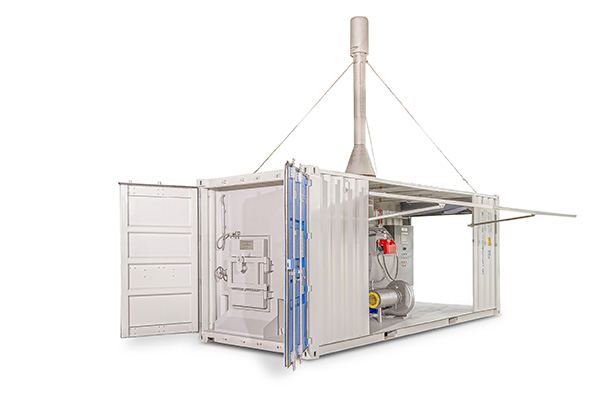
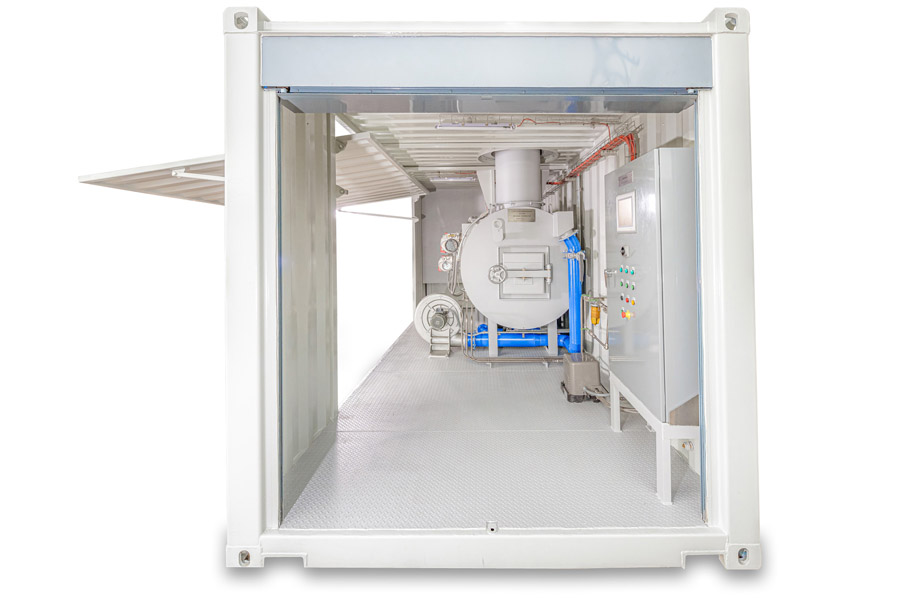
Even a fully assembled containerised incinerator requires careful preparation before normal operation. Site connections must be checked, refractory must be cured correctly and safety systems must be verified. Trial burns are then used to assess the local waste stream and refine the operating program.
Effective commissioning helps:
Confirm correct installation
Identify transport or site damage
Verify control and safety functions
Protect new refractory
Establish appropriate burn cycles
Confirm loading procedures
Reduce early operating problems
Prepare operators for independent use
Establish baseline performance
Support testing and project acceptance
Commissioning Activities
The scope is adapted to the equipment and site, but may include:
Installation Review
Equipment positioning and levelling
Power, fuel and water connections
Stack assembly
Air duct and blower connections
Loading and ash handling equipment
Guarding and access
Control panel connections
Site readiness
Pre-Start Inspection
Before firing the unit, ESI can check:
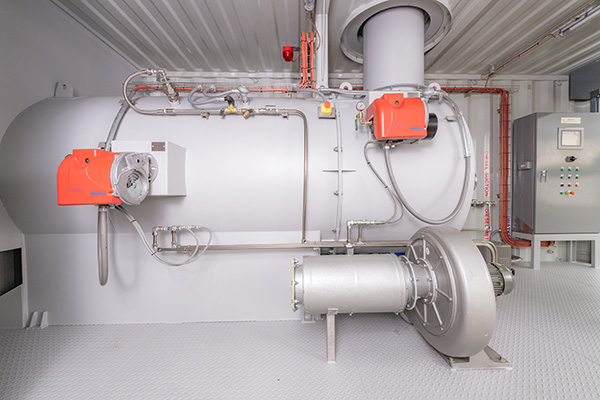
Burners
Motors and blowers
Fuel systems
Temperature instruments
Valves and actuators
Door and duct seals
Safety interlocks
Alarms and shutdowns
PLC operation
Refractory Curing
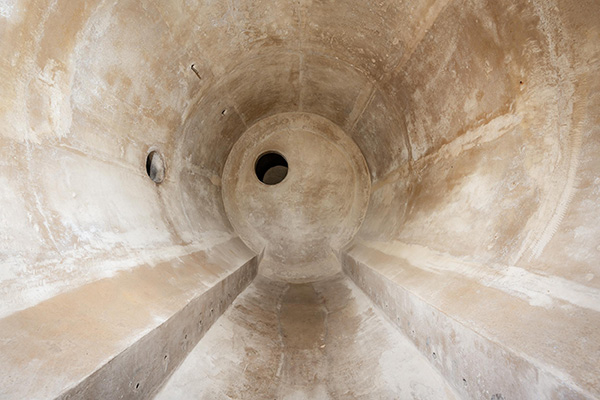
New refractory contains moisture that must be removed gradually through a controlled heating process. Correct curing reduces the risk of cracking, spalling and premature refractory damage.
Trial Burns & Optimisation
Trial loads allow the commissioning team to observe:
Waste behaviour
Temperature profiles
Volatile release
Burner demand
Cycle duration
Ash burnout
Burn cycle settings can then be adjusted for the specific site waste stream.
Site Acceptance
Where required, emissions testing can be undertaken after the unit has been commissioned and stable operating conditions have been established.
Results can support regulatory approval, client acceptance or baseline performance records.
Operator and Maintenance Training
Training can combine classroom instruction with hands-on operation of the unit covering a range of topics including:
Waste acceptance criteria
Waste sorting and segregation
Safe loading practices
Selecting the correct burn cycle
Start-up and shutdown procedures
Understanding PCC and SCC operation
Temperature monitoring
Ash removal
Routine inspections
Cleaning and housekeeping
Basic fault finding
Preventative maintenance
Emergency procedures
Operating records
Training can be documented through attendance records, questionnaires and practical competency checks.
Start with the right operating foundation
Commissioning is not simply switching the equipment on. It establishes how the system will operate with the site’s actual waste, services and personnel.
Speak with ESI about factory testing, site commissioning, emissions testing or operator training for your incineration system.