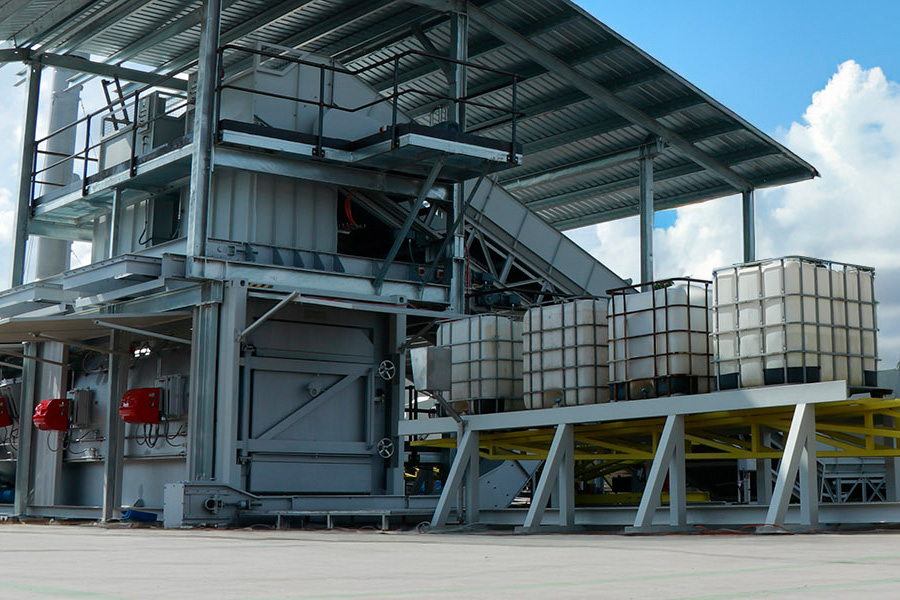
Mining Waste Incinerators for Gold & Copper Mine Sites
Containerised incineration systems engineered for hazardous, general and process waste at remote mining operations
ESI designs and supplies containerised mining waste incinerators specifically for gold and copper mine sites, with each system engineered around the site’s actual waste streams, daily volumes, operating hours and waste-handling requirements.
Our mining incinerators are designed for waste including cyanide reagent boxes and liners, contaminated packaging and plastics, PPE, filters, oily maintenance waste, general and clinical waste, and suitable combustible waste collected in IBCs. Direct box and IBC loading, waste-specific PLC burn cycles, primary and secondary combustion, commissioning, operator training and remote support make the systems particularly suited to remote mining operations where reliable on-site waste treatment is essential.
Rather than sizing an incinerator from a generic kilograms-per-hour figure, ESI assesses how the waste is packaged, loaded and burned. A gold mine producing large volumes of cyanide boxes requires a different loading arrangement and operating strategy from a copper mine processing mixed camp, maintenance and process waste.
Gold & Copper Mines
|
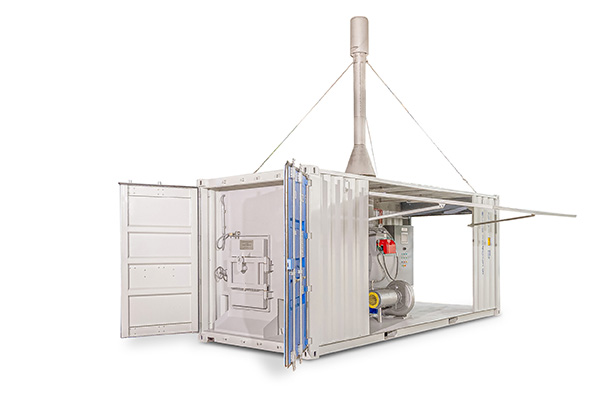
Containerised 10', 20' & 40' Systems
|
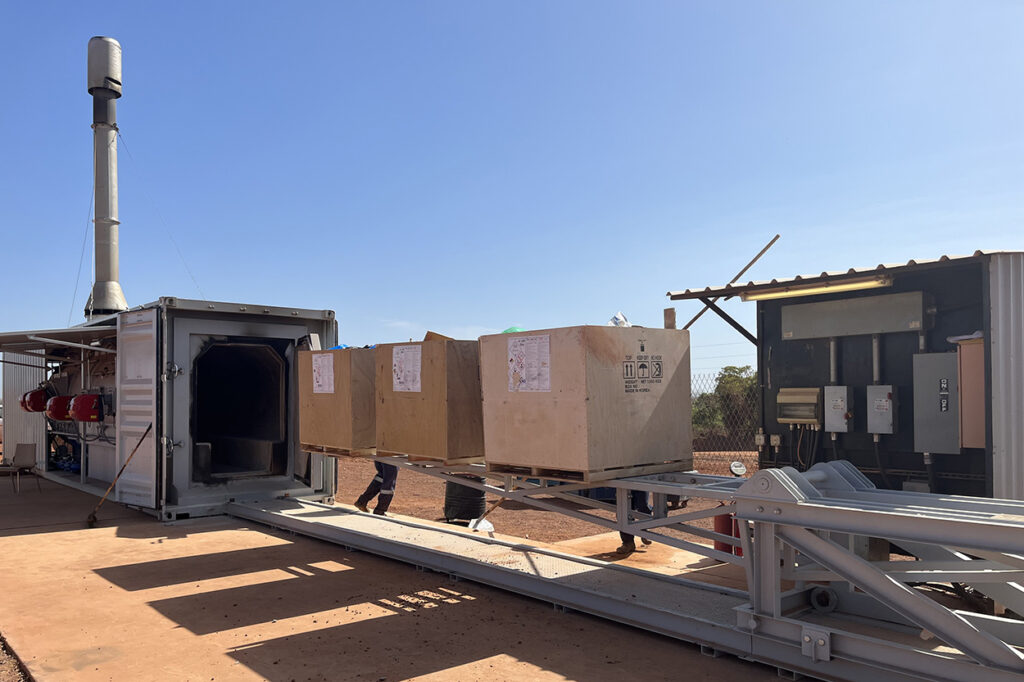
Direct Box & IBC Loading
Commissioning, Training & Remote Support
Waste Streams Generated by Gold & Copper Mines
Mine-site waste varies substantially in composition, packaging, calorific value and ash content. ESI configures the incinerator, loading system and operating programs around the site’s actual waste profile rather than treating all mine waste as a single waste stream.
Waste suitability is confirmed during ESI’s waste assessment process before final equipment selection and operating programs are established.
Cyanide Reagent Boxes & Packaging
Gold processing operations can generate significant quantities of timber cyanide boxes, cardboard packaging and plastic liners. These materials are bulky and can contain high-energy plastics that release heat rapidly during combustion. ESI mining incinerators can be configured for direct box loading and waste-specific burn programs, allowing multiple boxes to be processed safely without unnecessary manual rehandling.
Reagent Bags, Plastics & Contaminated Packaging
Gold and copper processing plants receive large quantities of reagents and consumables in plastic bags, sacks, boxes and other packaging. Once empty, this material can become a substantial ongoing waste stream. ESI assesses the composition and expected daily quantities so the incinerator capacity and loading arrangement are matched to actual site requirements.
General, Camp & Clinical Waste
Remote mines also generate food packaging, paper, plastics, accommodation waste and waste from site medical facilities. These waste streams behave very differently from cyanide packaging and may require separate operating programs to maintain efficient combustion and minimise fuel consumption while achieving complete burnout.
Maintenance Waste, Filters & Hydrocarbon-Contaminated Materials
Workshops and processing facilities generate oily rags, filters, contaminated PPE and other combustible maintenance waste. These materials can have very different energy and ash characteristics from packaging waste and are assessed as part of the overall mine waste profile when selecting and configuring the incinerator.
IBCs & Large-Format Waste
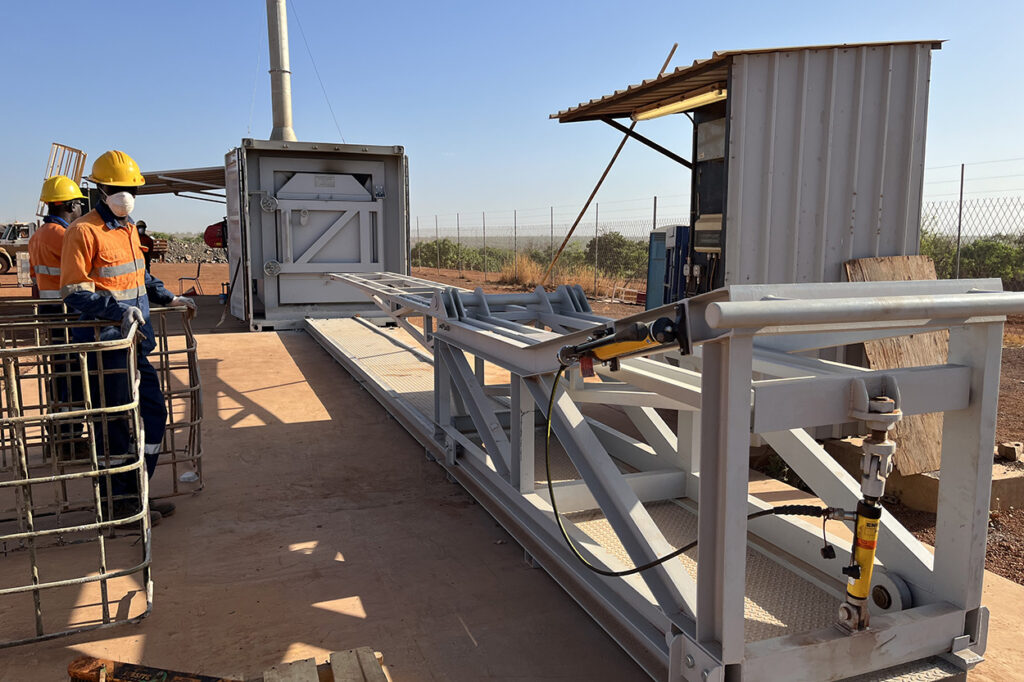
Waste is often collected or transported around mine sites using IBCs, cages, pallets and other large containers. ESI systems can incorporate fork-loader and direct-loading arrangements that allow suitable waste to be transferred into the primary chamber with minimal manual handling. Loading configuration is selected according to the waste type, container size and required daily throughput.
Mining Incinerator Capacity and System Sizing
ESI mining incinerators are available in 10′, 20′ and 40′ containerised configurations, with systems covering published capacity ranges of approximately 15–600 kg/hr for high-calorific-value hazardous or medical waste and 25–1,000 kg/hr for general waste, depending on the incinerator configuration and waste characteristics.
Actual mine-site throughput cannot be determined from kilograms per hour alone. ESI sizes each system using the waste composition, calorific value, bulk density, moisture content, non-combustible content, packaging size, loading method, required operating hours and expected daily waste generation.
A gold mine generating predominantly cyanide boxes and plastic liners can require a very different chamber configuration, loading method and burn cycle from a mine processing mixed camp waste, filters, tins, cans and other maintenance waste. Correct waste segregation and cycle selection can significantly influence throughput, fuel consumption and emissions performance.
Delivering Maximum Performance & Benefits
Containerised incineration units provide a compact incinerator for mining camp site housed within a standard shipping container, making it easy to transport to remote or temporary mining sites. When equipped with the ability to directly load IBCs, the system offers a number of advantages for mining operations:
1. Cost Effective
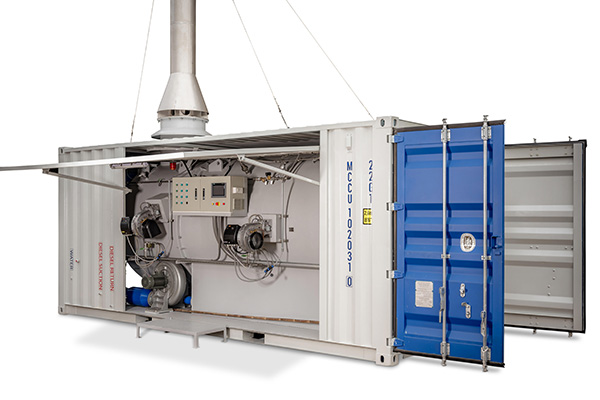
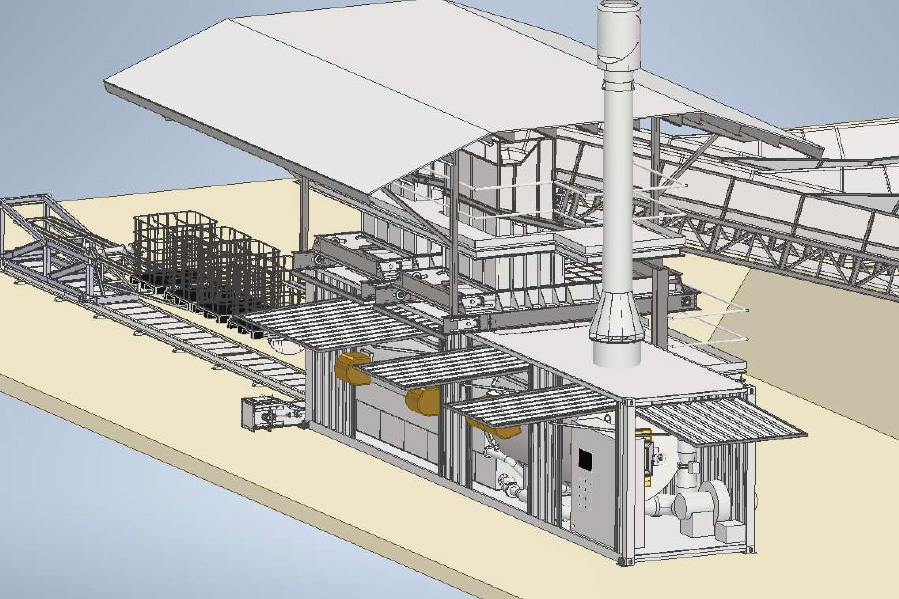
Assembled within 10′, 20′ & 40′ shipping containers, Containerised Incinerators are an all-in-one waste management solution that does not require additional infrastructure, saving money on further construction. The sides of the container lift up, providing an awning and shelter for the operators.
2. Easy to Ship & Install
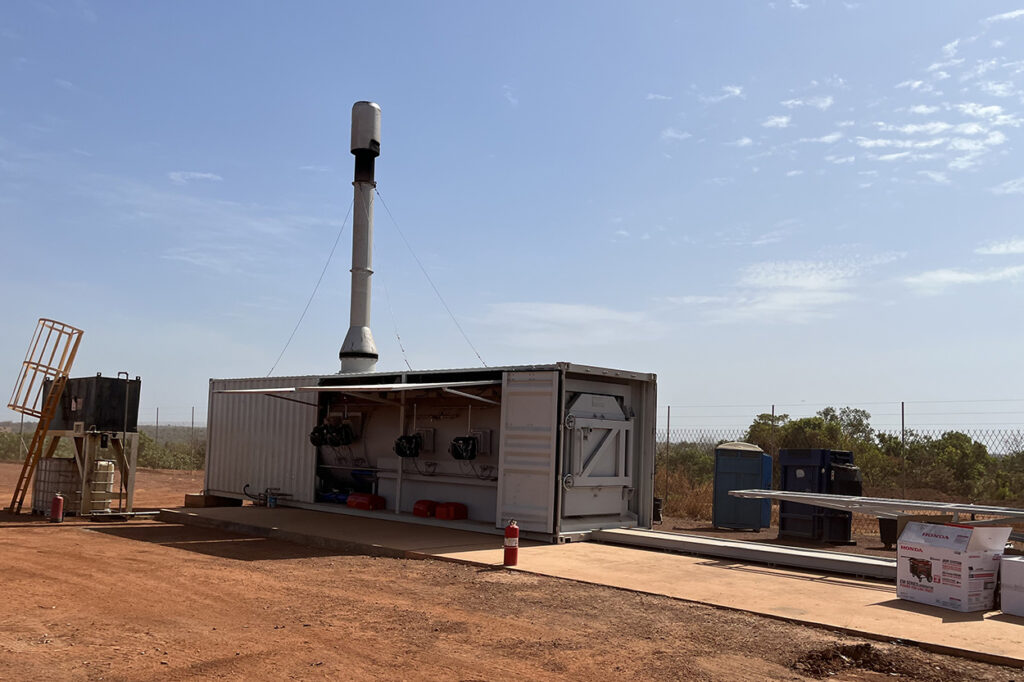
For remote mining sites lacking permanent waste treatment facilities, Containerised Incineration units offer an easy-to-ship, on-site solution. ESI units require only fuel, water, and electricity to operate. Housed in a shipping container, the incinerator can be relocated as the mine develops or moved to other sites, reducing long-haul waste transport costs and minimising the carbon footprint of waste management.
3. Energy Efficient
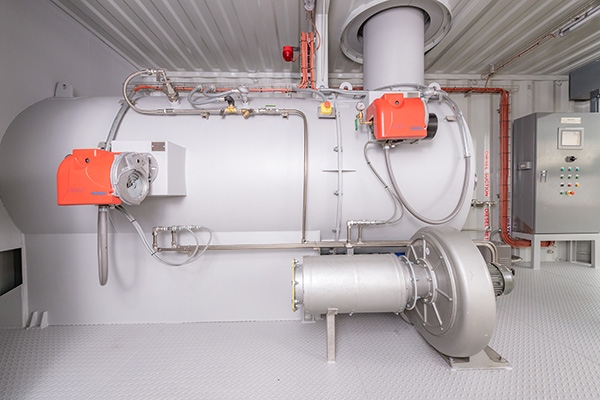
ESI’s Incinerators are programmed with burn cycles tailored to the site waste, effectively handling the material and minimising pollutant release. The Incinerators can process waste oils, designed with energy recovery capabilities, to power operations or provide heat to nearby facilities. This reduces overall energy consumption and operating costs, further enhancing the efficiency of the system.
4. Optimising Operator Safety
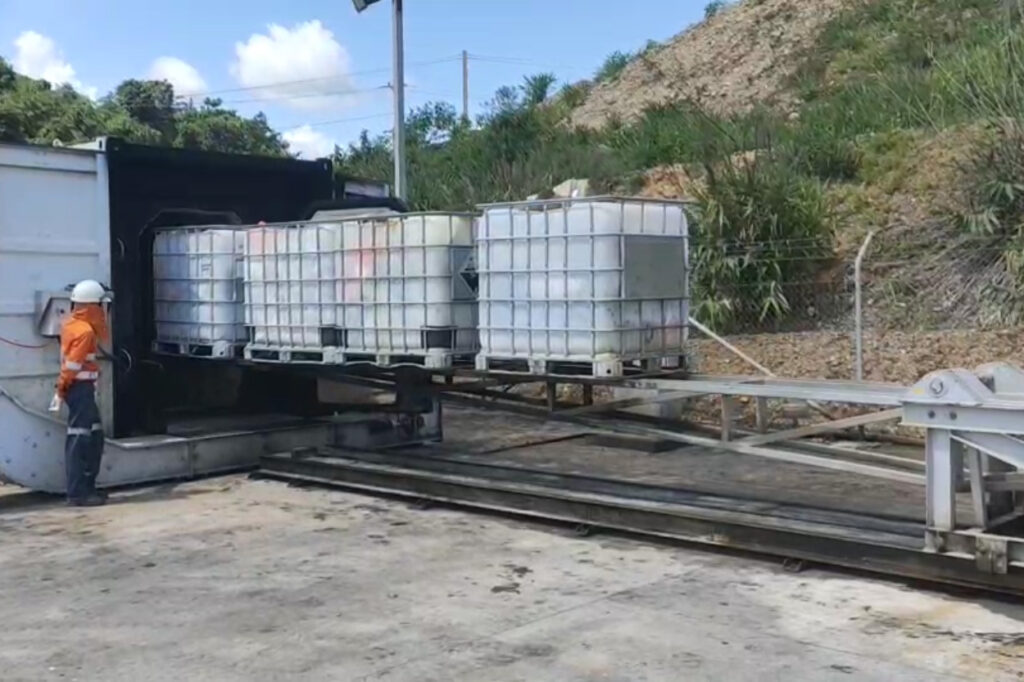
Mining operations frequently store waste materials in IBCs, which are durable, reusable containers capable of holding both liquids and solids. ESI’s large incinerator doors are specifically designed to load IBCs and Cyanide boxes direct, eliminating double handling of hazardous materials. This reduces handling time and the risk of spills or worker exposure to toxic substances.
5. Faster Waste Processing
Direct loading IBCs and large boxes, ensures that bulk waste materials can be fed into the incinerator in one seamless process, reducing the need for pre-processing or waste sorting. This increases throughput and enables the system to manage large waste volumes efficiently. Dispose of cyanide boxes and filled IBCs.
ESI can help establish efficient waste management systems for teams on site to ensure waste components are split into suitable streams to reduce handling, eliminate manual labour, and speed up the overall incineration process.
6. Reduced Downtime
A key feature of incineration is the ability to process multiple waste streams simultaneously, essential for mining operations with varied waste types. This flexibility allows different waste categories (e.g., liquid chemicals, solid hazardous materials, combustible debris) to be incinerated within the same unit, boosting efficiency, reducing downtime, and enabling continuous operation.
The Environmental and Economic Benefits
By using a containerised incineration unit with IBC loading and multiple waste feeds, mining operations can reduce their reliance on traditional landfill and chemical waste treatments, which often carry higher environmental risks and costs. Incineration eliminates waste at the source, leaving behind only a small volume of sterile ash that is easier and safer to dispose of.
- Reduced Transportation Costs: Mobile units reduce the need to transport waste over long distances to external treatment facilities, cutting fuel costs and reducing the carbon footprint of the waste management process.
- Environmental Compliance: Incineration systems can effectively handle hazardous waste, meeting strict environmental regulations and helping mining companies demonstrate a commitment to sustainable practices.
Applications of Containerised Incineration Units in Mining
These innovative systems are ideal for various applications within mining operations:
- Remote mining sites where access to traditional waste treatment facilities is limited.
- Exploration projects that generate waste temporarily, requiring a mobile and flexible solution.
- Mining camps and housing that produce both hazardous and non-hazardous waste in high volumes.
Mining waste incineration using containerised units with direct IBC loading and multiple waste feed systems represents a major advancement in waste management technology. These units offer a versatile, easy to ship, and highly efficient solution that can safely and effectively handle large volumes of diverse waste types, while reducing operational costs and environmental impact. By investing in such systems, an incinerator for mining camp can optimise waste handling processes, improve safety for workers, and contribute to more sustainable mining practices.