
Site Waste Assessment
Make Equipment Decisions Using Real Site And Waste Data
Selecting an incinerator based only on a stated daily weight can lead to poor performance, inefficient loading and unnecessary operating costs.
An ESI Site Waste Assessment examines the complete waste-management process, from where waste is generated and stored to how it will be loaded, treated and removed as ash.
The assessment provides the practical information needed to select or design a system that suits the site’s actual operating conditions.
Better information leads to better equipment decisions.
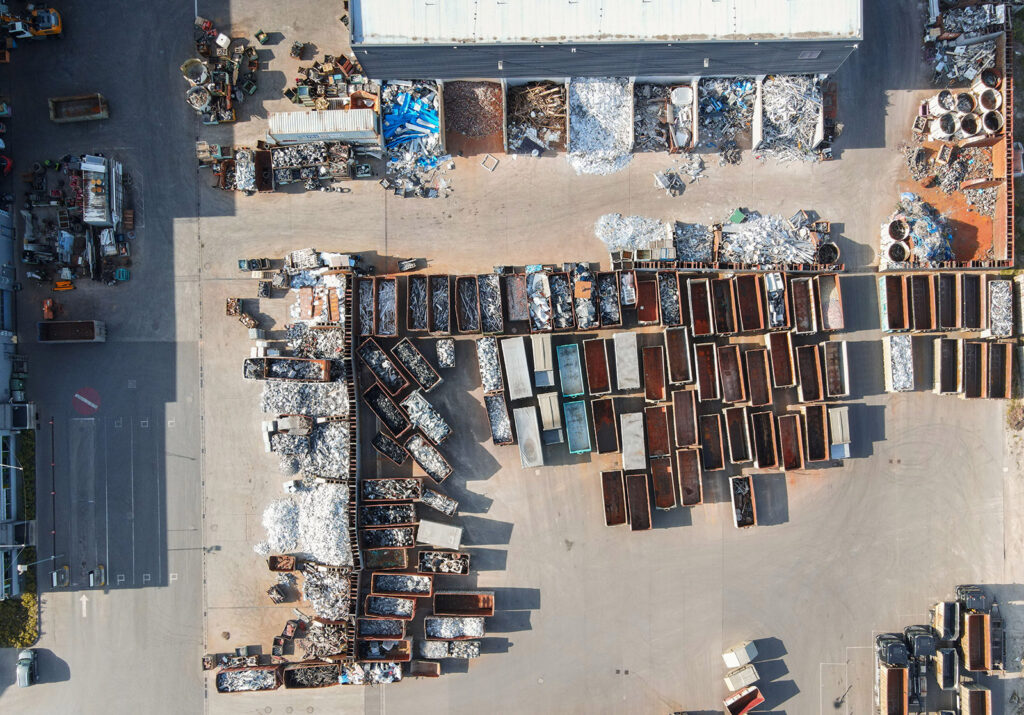
Why Assess The Waste Stream?
Two sites producing the same daily waste weight may require very different systems.
Waste density, moisture, composition and packaging all influence chamber capacity, combustion behaviour and processing time. Site access, available utilities and operator resources can also determine whether a proposed configuration will work effectively.
A waste assessment can help identify:
- The types of waste being generated
- Daily, weekly and peak waste quantities
- Seasonal or operational fluctuations
- Waste density and moisture content
- Combustible and non-combustible materials
- Potential hazardous contaminants
- How waste is collected and stored
- Whether waste is loose, bagged, boxed or containerised
- Existing recycling and segregation practices
- Loading and materials-handling requirements
- Available fuel, power and water
- Site access and space constraints
- Operator availability and capability
- Ash handling and disposal requirements
- Relevant environmental obligations
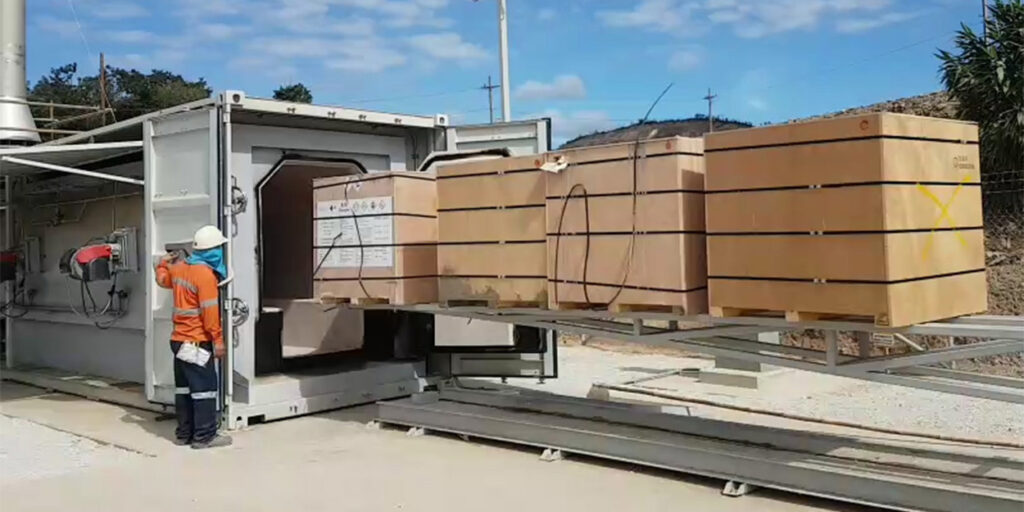
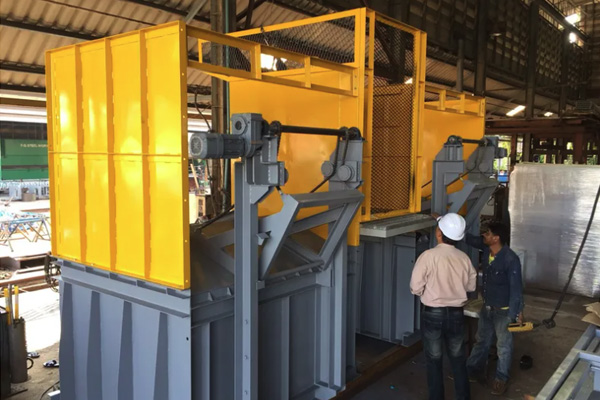
WHAT THE ASSESSMENT MAY INCLUDE
Waste Stream Review
The waste is grouped into relevant categories, such as:
- General municipal or camp waste
- Medical and clinical waste
- Hazardous industrial waste
- Oily materials
- Sludges and screenings
- Contaminated packaging
- Timber and bulky combustibles
- Unsuitable or prohibited materials
Quantity and Capacity Review
ESI considers more than the average daily quantity. Peak loads, collection schedules, planned operating hours and future growth are also reviewed.
Waste Handling Review
The assessment examines how waste moves through the site, including:
- Collection
- Internal transport
- Storage
- Sorting
- Loading
- Treatment
- Ash removal
This helps determine whether manual loading, a bin lifter, forklift loader, apron feeder, screw feed or another arrangement is most appropriate.
Site and Utility Review
Available space, access, foundations, lifting equipment, fuel, electricity, water and communications are considered when developing the system configuration.
What You Receive
The findings can be used to develop:
- Waste acceptance criteria
- Recommended system capacity
- Chamber and container configuration
- Loading and materials-handling recommendations
- Proposed operating schedule
- Preliminary burn-cycle requirements
- Utility requirements
- Site-layout considerations
- Waste segregation recommendations
- Ash-management requirements
- Further testing or investigation requirements
The level of reporting can be adapted to support internal planning, budgeting, tender preparation or detailed equipment selection.

Arrange A Site Waste Assessment
A Site Waste Assessment is useful when developing a new facility, replacing existing equipment or investigating poor performance from a current waste system.
Speak with ESI to arrange a site visit or preliminary remote assessment of your waste stream and operating requirements.